Key takeaways
- A central system conditions the whole house from one place using ducts, a blower, and heating and cooling equipment.
- The parts that wear out are usually the heating unit, the outdoor condenser, and sometimes the blower motor. Ducts often outlast them.
- Furnaces commonly run 15 to 20 years and air conditioners somewhat less when maintained.
- Replace the heating and cooling together when both are old, because matched equipment performs better.
- Have the ducts checked at replacement. They decide how well any new system works.
What makes a system central
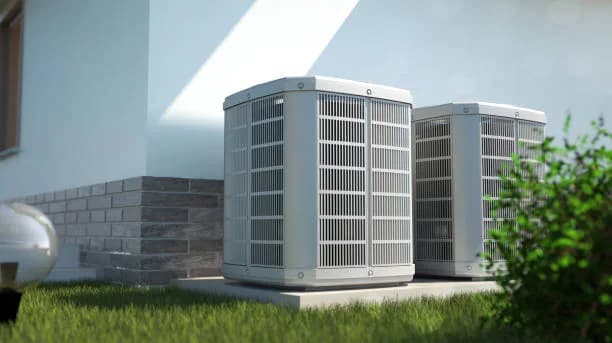
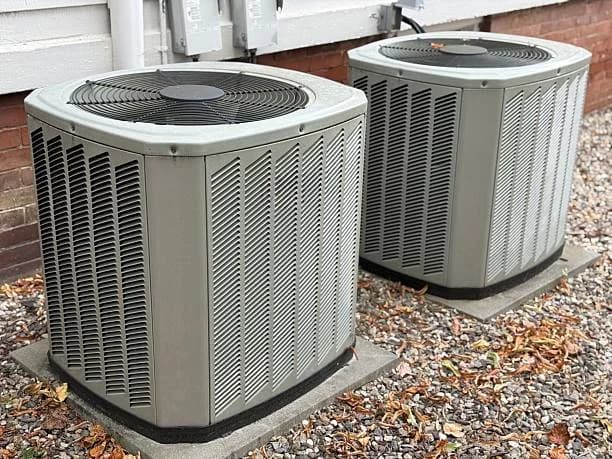
The word central means the heating and cooling come from one place and travel through the house in ducts. A central system has a heating source, a cooling source, a blower, a network of ducts, a set of filters, and a thermostat that tells it what to do. In many New England homes, the heating source is a gas or oil furnace, and the cooling source is an outdoor condenser and an indoor coil that sits on or beside the furnace.
A growing number of central systems use a heat pump for both jobs. In that case, an air handler indoors replaces the furnace and coil, and a single outdoor unit provides heating and cooling.
The parts of a central system and what each one does
| Part | What it does | Typical issues |
|---|---|---|
| Furnace or air handler | Heats the air, or moves air across a coil, and houses the blower | Ignition faults, cracked heat exchanger, blower motor failure |
| Blower | A fan that moves air through the ducts | Worn motor or bearings, dirty blower wheel, failed capacitor |
| Evaporator coil | Removes heat and moisture from the air in summer | Dirt buildup, refrigerant leaks, frozen coil |
| Outdoor condenser or heat pump | Releases heat outdoors in cooling mode, and absorbs it in heating mode on a heat pump | Capacitor and contactor failure, dirty coil, compressor wear |
| Ductwork | Carries air to and from rooms | Leaks, poor design, crushed or disconnected sections |
| Filter | Captures dust and protects the equipment | Clogged filter restricting airflow |
| Thermostat | Senses temperature and controls the equipment | Wiring problems, dead batteries, poor placement |
A good way to think about it is that the equipment makes the comfort and the ducts deliver it. A fine furnace and air conditioner connected to poor ducts will disappoint. We cover that in our service page on ductwork and air quality.
How the system works through the year
In winter, the thermostat calls for heat. The furnace lights, warms its heat exchanger, and the blower pushes warm air through the supply ducts to the rooms. Cooler air returns through return ducts, passes the filter, and goes back to the furnace.
In summer, the thermostat calls for cooling. The outdoor condenser starts, refrigerant circulates to the indoor coil, and the blower pushes air across the cold coil and into the supply ducts. Moisture condenses on the coil and drains away. The system shares the blower, the ducts, and the filter between seasons.
For the science, read how HVAC works.
How long central equipment lasts
| Component | Typical range | Notes |
|---|---|---|
| Gas furnace | 15 to 20 years | Condensing furnaces have more components and can differ |
| Oil furnace | 15 to 20 years | Burner service is critical |
| Central air conditioner | 12 to 17 years | Salt air near the coast can shorten outdoor coil life |
| Heat pump | 12 to 15 years | Works year-round, so it sees more hours of use |
| Ductwork | Often 20 years or more | Can be modified or sealed, and often outlasts equipment |
These are typical ranges, not promises. Installation quality, climate, and maintenance all move them. A well-kept system can run longer, and a neglected one can fail early.
Signs it is time to replace a central system
- Age: Past 15 years for heating or 12 for cooling, planning for replacement is wise.
- Repair history: Several repairs in a couple of seasons is a pattern, not bad luck.
- Major failure: A cracked heat exchanger, failed compressor, or leaking coil on an older unit often tips the decision.
- Comfort problems: Uneven rooms, noise, or humidity that the system cannot control.
- Rising bills: Higher usage with no change in habits means the equipment is working harder.
- Refrigerant: Older air conditioners that use refrigerant no longer made are costly to service.
- Safety: Carbon monoxide concerns, soot, or combustion problems.
Our guide to replacing a furnace or boiler goes deeper on the heating side.
Replace heating and cooling together, or one at a time?
When both pieces are old, replacing them together makes sense. Matched equipment works as a system, a single installation reduces labor, and you can fix duct and airflow problems in one project. When one half has many years left, we will say so. A furnace that is five years old does not need to go because the air conditioner failed, although the blower and coil must be compatible with whatever you add.
This is also the moment to ask whether a different type of system suits your house. A ducted heat pump can replace both a furnace and an air conditioner. A hybrid setup keeps a furnace for the coldest days. See heat pumps and furnaces in Massachusetts.
Before you approve a replacement
- Ask how the system will be sized, and ask to see the calculation
- Have the ducts inspected and airflow measured
- Ask what will be done about drains, venting, and electrical
- Get the efficiency ratings and warranty terms in writing
- Ask about incentives and confirm current terms
- Confirm who handles service afterward
How to get the most from a central system
- Change filters on schedule. It is the single most useful habit.
- Book a tune-up for heating in the fall and cooling in the spring. See maintenance and tune-ups.
- Keep supply and return vents open and clear.
- Keep the outdoor unit clear of plants and debris.
- Notice changes in noise, smell, and performance, and call early.
If you are weighing a replacement, call or text (781) 353-8852 or request a free estimate. We will give you a plain opinion on the system you have.
Questions homeowners ask
Is a central system the same as central air?
Not quite. Central air refers to the cooling part. A central heating and cooling system includes heating, cooling, and the ducts that deliver both.
Can I keep my ducts when I replace the equipment?
Often, yes. We test them first. If they are in decent shape and sized well, they can serve new equipment. Sometimes they need modification.
Do I have to replace the furnace and AC at the same time?
No. It often helps, but it is not required. We will tell you when it makes sense.
How long does a replacement take?
Many are done in one to two days. Jobs with duct changes or several systems take longer.
What is the most important thing to get right?
Sizing and ducts. A properly sized system on good ducts will serve you far better than a bigger one on poor ducts.
Related services
Sources and further reading
Written by the team at Home Heating and Cooling in Norwell, MA. We review our guides at least twice a year and update them when equipment, codes, or programs change. Last updated October 23, 2026.