Key takeaways
- A furnace makes heat by burning fuel. A heat pump moves heat using electricity, and also cools in summer.
- Cold climate heat pumps work in Massachusetts winters when designed properly, but their output drops as it gets colder.
- Running cost depends on your fuel and electric rates. Heat pumps tend to save the most against oil, propane, and electric resistance heat.
- A hybrid setup, with a heat pump and a furnace as backup, is a practical middle path for many homes.
- House condition matters. A tight, well-insulated house is a better heat pump candidate than a leaky one.
The short version
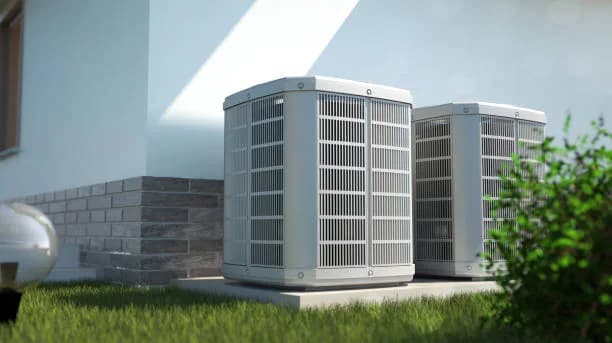
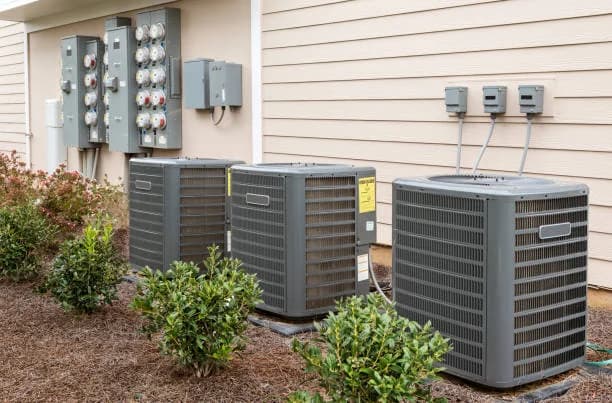
A furnace burns gas, oil, or propane to make heat and blows it through ducts. It is strong and predictable, and it has served New England well for generations. A heat pump uses electricity to move heat from the outdoor air into your house, and it reverses in summer to cool. It is more efficient than burning fuel in many situations, and it replaces both your heating and your air conditioning.
Neither is the right answer for everyone. What fits depends on the fuel you have now, the condition and layout of the house, the climate on your street, and what you want to spend on the install and on the monthly bill. This article sets out how to weigh them. For the basics, see our guide to types of residential heating and cooling systems.
Side by side
| Factor | Furnace | Heat pump |
|---|---|---|
| How it heats | Burns fuel to heat air | Moves heat from outdoor air using electricity |
| Cooling | Needs a separate central air conditioner | Built in, one system for both |
| Fuel | Gas, oil, or propane | Electricity |
| Cold weather | Strong output regardless of temperature | Output falls as it gets colder, cold climate models handle it, backup heat may help |
| Typical efficiency | 80 to 98 percent AFUE | Delivers more than one unit of heat per unit of electricity, in the range of 200 to 400 percent in mild weather, less in extreme cold |
| Upfront cost | Moderate | Often higher, especially for cold climate or whole-house systems |
| Running cost | Depends on fuel prices | Often lower than oil, propane, or electric resistance, depends on electric rates |
| Comfort | Hot air in bursts, can feel drier | Steady, lower temperature air, often quieter |
| Combustion safety | Needs venting and carbon monoxide care | No combustion on site |
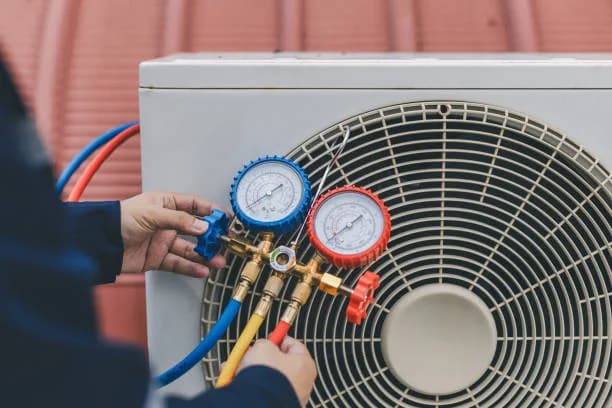
| Maintenance | Annual tune-up, burner or ignition service | Annual tune-up, filters, outdoor unit care |
ENERGY STAR describes efficient heat pumps and furnaces in more detail.
What about the cold?
This is the question every New England homeowner asks. The honest answer is that cold climate heat pumps keep delivering heat at low outdoor temperatures, and many homes run on them as the main source of heat. As the temperature falls, the pump's capacity and efficiency fall too. On the coldest days of the year, a system sized properly for your house still carries the load, or hands off to backup heat.
Three things decide how well it works.
- Equipment choice. Look at the heating capacity at low temperatures, not the headline efficiency number.
- Sizing for the coldest day. An undersized heat pump relies on expensive backup heat. An oversized one cycles and wears out.
- The house itself. Tight, insulated houses need less heat, which makes everything easier. Leaky houses make any system work harder.
Cost, and why your fuel matters most
Running cost is where the answer varies the most. Compared with oil, propane, and electric baseboard, a heat pump often costs less to run, because it delivers more heat per dollar. Compared with natural gas, the gap is smaller, and in some cases gas is cheaper. Electric and fuel prices change over time, and the result depends on your house, so it is worth running the numbers with a professional.
| Your current heat | Heat pump outlook |
|---|---|
| Electric baseboard | Usually strong savings potential, since you are replacing the most expensive way to heat with electricity |
| Propane | Often a strong candidate, because propane tends to be costly per unit of heat |
| Oil | Often a good candidate, depending on oil and electric prices |
| Natural gas | Savings are less certain. A hybrid setup or cooling benefits may be the main draw |
Upfront cost is usually higher for a heat pump, particularly a whole-house cold climate system. Incentives such as those offered through Mass Save may be available, and the terms change, so confirm them before you decide. See our Mass Save guide and our cost guide.
Which houses fit which system
| Your house | Often a good fit | Why |
|---|---|---|
| Tight, well-insulated, heated with oil or propane | Heat pump, possibly with backup | Larger savings potential and lower heating load |
| Older, drafty, with good gas furnace | High efficiency furnace, maybe add heat pump later | Reliable heat, and improving the envelope first helps either choice |
| Radiator or baseboard heat, no ducts, want cooling | Ductless mini-split heat pump | Adds cooling and efficient heat with no ducts |
| Furnace aging, central air also aging | Ducted heat pump or hybrid | One replacement project covers both |
| Addition or converted space | Mini-split | Zoned, no ducts, quick to add |
Not every house fits neatly into a row. We look at yours before we recommend anything. See our service pages on furnace installation and heat pumps and ductless mini-splits.
The hybrid option
A hybrid, or dual fuel, system pairs a heat pump with a furnace. The heat pump handles most of the heating season. When the temperature falls below a set point, or when the heat pump cannot keep up, the furnace takes over. You get cooling from the heat pump in summer, lower running costs on mild and moderately cold days, and the strong, predictable output of a furnace on the coldest ones.
The tradeoffs are more equipment to maintain and a higher upfront cost than a furnace alone. It is a good fit for homeowners who want to reduce fuel use without depending completely on electric heat. The key is correct controls, so the system chooses the cheapest way to heat at any given temperature. See thermostat installation.
How to decide
Five questions that settle most cases
- What do I heat with now, and what does it cost me per year?
- Does my house have good ducts, or radiators with no ducts?
- How tight and insulated is the house? Are there easy air sealing gains?
- Do I need cooling too?
- Am I comfortable with a system that leans on electricity, or do I want fuel backup?
If you want help, call or text (781) 353-8852 or request a free estimate. We will look at the house, tell you what we think, and give you the numbers in writing.
Questions homeowners ask
Can a heat pump heat my whole Massachusetts house in January?
In many well-insulated homes with properly sized cold climate equipment, yes. In others, backup heat from a furnace or boiler is a sensible addition.
Is a heat pump cheaper to run than a furnace?
Often it is cheaper than oil, propane, and electric baseboard. Against natural gas the comparison is closer and depends on prices.
Do I need to keep my furnace if I install a heat pump?
Not always. Many homeowners keep one as backup, and it can be a cost-effective choice. We will tell you what makes sense for your house.
Are heat pumps loud?
Modern units are quiet indoors and fairly quiet outdoors. Placement matters.
Will a heat pump work with my existing ducts?
Often yes, if the ducts are in good shape and sized properly. We test them first.
Related services
Sources and further reading
Written by the team at Home Heating and Cooling in Norwell, MA. We review our guides at least twice a year and update them when equipment, codes, or programs change. Last updated October 23, 2026.