Key takeaways
- Fall is the time for heating maintenance and spring is the time for cooling.
- Filters, vents, and outdoor units are the easiest things to look after yourself.
- Leave combustion, refrigerant, and electrical work to a licensed technician.
- Coastal and lakeside homes need extra attention to outdoor equipment.
- A small habit, like a monthly filter check, prevents many service calls.
Why New England needs its own checklist
A checklist written for Arizona or Florida will not serve you here. New England asks a heating system to run hard for six months and a cooling system to handle humid heat waves in July. Salt air near the coast, pollen in spring, leaves in fall, and snow on outdoor equipment all play a part. The routine below follows the calendar of a typical Massachusetts year.
Most of the jobs are simple. A few are for professionals, and we have marked them. If you would like a technician to do the professional ones, see our maintenance and tune-up service.
Fall: get the heat ready (September to October)
Do it yourself
- Replace the furnace filter, and note the date
- Walk through the house and make sure supply and return vents are open and clear
- Bleed radiators if they are cold at the top
- Test the thermostat and replace its batteries if it uses them
- Check that carbon monoxide and smoke alarms work, and replace batteries
- Look at the oil tank gauge and arrange a delivery if you burn oil
- Clear leaves and debris from around outdoor equipment and vent terminations
- Cover or remove window air conditioners, and shut off outdoor hose bibs
Leave to a technician
- Furnace or boiler tune-up with combustion testing
- Heat exchanger inspection on gas and oil furnaces
- Burner cleaning, nozzle and oil filter replacement on oil equipment
- Boiler pressure, expansion tank, circulator, and zone valve checks
- Flue and venting inspection
- Heat pump fall service, including defrost cycle checks
A fall tune-up is the single best way to avoid a winter breakdown. Book early, since October fills up. See furnace repair for what we find when a tune-up is skipped.
Winter: keep it running (November to March)
Monthly and after storms
- Check the filter monthly during heavy use and replace when dirty
- Keep snow and ice away from outdoor units, vents, and exhaust pipes
- Make sure high efficiency furnace vent pipes outside are clear of snow
- Keep an eye on oil levels, and do not let the tank run low
- Listen for new noises and watch for changes in performance
- Check radiators and baseboard for cold spots
- After a power outage, confirm the system restarted properly
- Set a safe minimum temperature if you travel, and consider a thermostat that alerts you if the house gets cold
If the heat does fail, use our no-heat checklist and call us at (781) 353-8852. We are open 24 hours a day, 7 days a week.
Spring: get the cooling ready (April to May)
Do it yourself
- Replace the filter, and check the one in each return grille if you have them
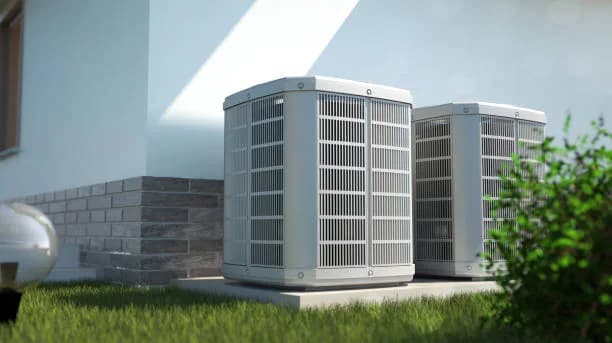
- Rinse dirt, pollen, and cottonwood off the outdoor condenser fins with a gentle spray, with the power off
- Cut back plants and branches so there is at least two feet of clear space around the condenser
- Remove any cover or debris left on the outdoor unit over winter
- Clean the filters on ductless mini-splits
- Check that the condensate drain is flowing, and look for water stains near the indoor unit
- Test the thermostat in cooling mode before the first hot day
Leave to a technician
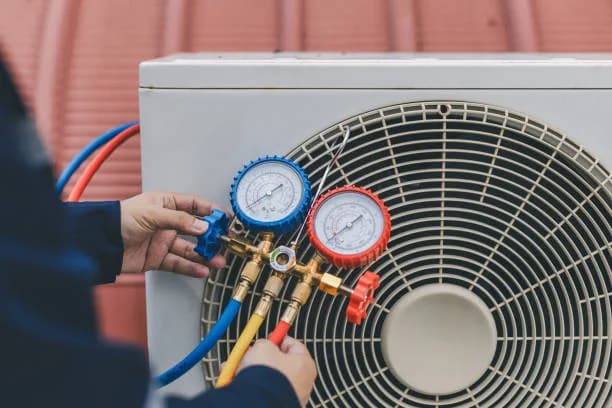
- Air conditioner or heat pump tune-up with refrigerant and airflow checks
- Electrical tests on capacitors, contactors, and connections
- Evaporator coil inspection and cleaning
- Condensate drain clearing and treatment
- Duct inspection for leaks or damage
A spring tune-up finds low refrigerant, weak parts, and clogged drains before the first heat wave. See air conditioning repair.
Summer: keep it efficient (June to August)
Through the cooling season
- Check the filter monthly and replace when dirty
- Keep the outdoor unit clear of grass clippings, leaves, and toys
- Close blinds on sun-facing windows during the hottest hours
- Raise the thermostat a couple of degrees when you are away rather than turning it off
- Watch for ice on the lines or coil, and turn the system to fan only if you see any
- Run bathroom and kitchen exhaust fans to reduce humidity
- Near the coast, rinse the outdoor unit gently every few weeks to remove salt
If your house stays damp even with the air conditioning on, it may be worth a conversation about sizing and humidity control. See ductwork and air quality.
Signs you should not wait for the next scheduled visit
A maintenance calendar is a baseline, not a rule that overrides what your system is telling you. Call sooner if you notice any of these.
- A new noise, such as banging at startup, squealing, or grinding
- A smell of burning, fuel, or gas. For gas, leave the house and call 911 first
- Water where it should not be, around the furnace, boiler, or indoor coil
- Rooms that suddenly heat or cool much worse than they did
- A system that starts and stops every few minutes
- Soot around a burner or a yellow flame on gas equipment
At a glance: who does what and when
| Task | Who | Best timing |
|---|---|---|
| Filter checks and changes | You | Monthly in heavy-use seasons, at least every three months otherwise |
| Furnace or boiler tune-up | Technician | September to October |
| AC or heat pump tune-up | Technician | April to May |
| Outdoor unit rinse and clearing | You | Spring, and through summer near the coast |
| Radiator bleeding | You | Fall |
| Alarm tests | You | Spring and fall |
| Mini-split filter cleaning | You | At least spring and fall |
| Oil tank and delivery plan | You | Before winter, then monthly |
Extra care for coastal and lakeside homes
Salt spray and constant humidity are hard on outdoor equipment. In Scituate, Marshfield, Hull, and other coastal towns, we recommend a yearly coil cleaning at the least and a closer look at corrosion on connections and fasteners. Homes by ponds and lakes deal with higher humidity, which makes proper air conditioner sizing and drainage more important. If you live near the water, ask us about protective options when it is time to replace outdoor equipment.
To book a visit, call or text (781) 353-8852.
Questions homeowners ask
How often should I change my air filter?
Check it monthly during heavy use and replace it when it looks dirty. Many homes need a change every one to three months, depending on the filter type, pets, and dust.
When is the best time for a furnace tune-up?
September or October, before the first cold stretch.
Can I clean the outdoor AC unit myself?
You can clear debris and gently rinse the outside fins with the power off. Leave refrigerant, electrical, and deeper cleaning to a technician.
Do heat pumps need maintenance in both seasons?
Yes. They run year-round, so a spring and a fall check are a good idea.
What does a tune-up cost?
Call us for current pricing. A tune-up is a small cost compared with an emergency repair.
Related services
Sources and further reading
Written by the team at Home Heating and Cooling in Norwell, MA. We review our guides at least twice a year and update them when equipment, codes, or programs change. Last updated October 23, 2026.